






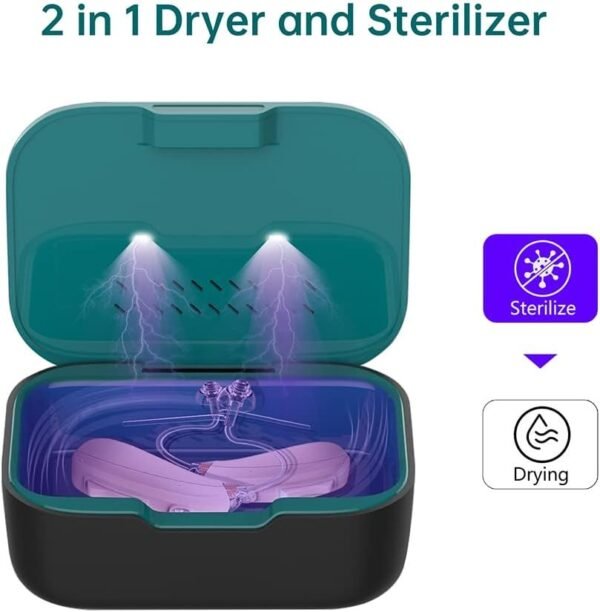
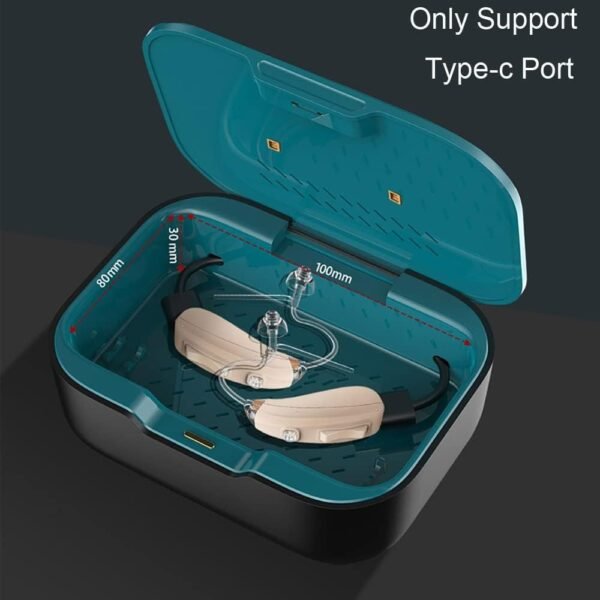

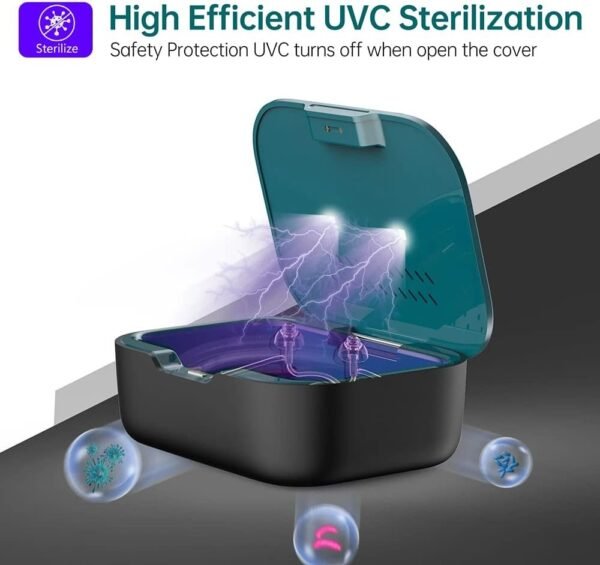


The Hearing aid dryer is an electric drying kit for cochlear implant sound processors and hearing aids. You place your device inside at night, and by morning the moisture from sweat, humid air or a rainy day has had a chance to leave the device instead of settling inside it.
It works with processors from Cochlear, Advanced Bionics and MED-EL, and with behind-the-ear and in-ear hearing aids. Moisture can contribute to crackling sound, cutting out and corroded contacts, and a simple nightly routine is one of the easiest ways to look after an expensive device.
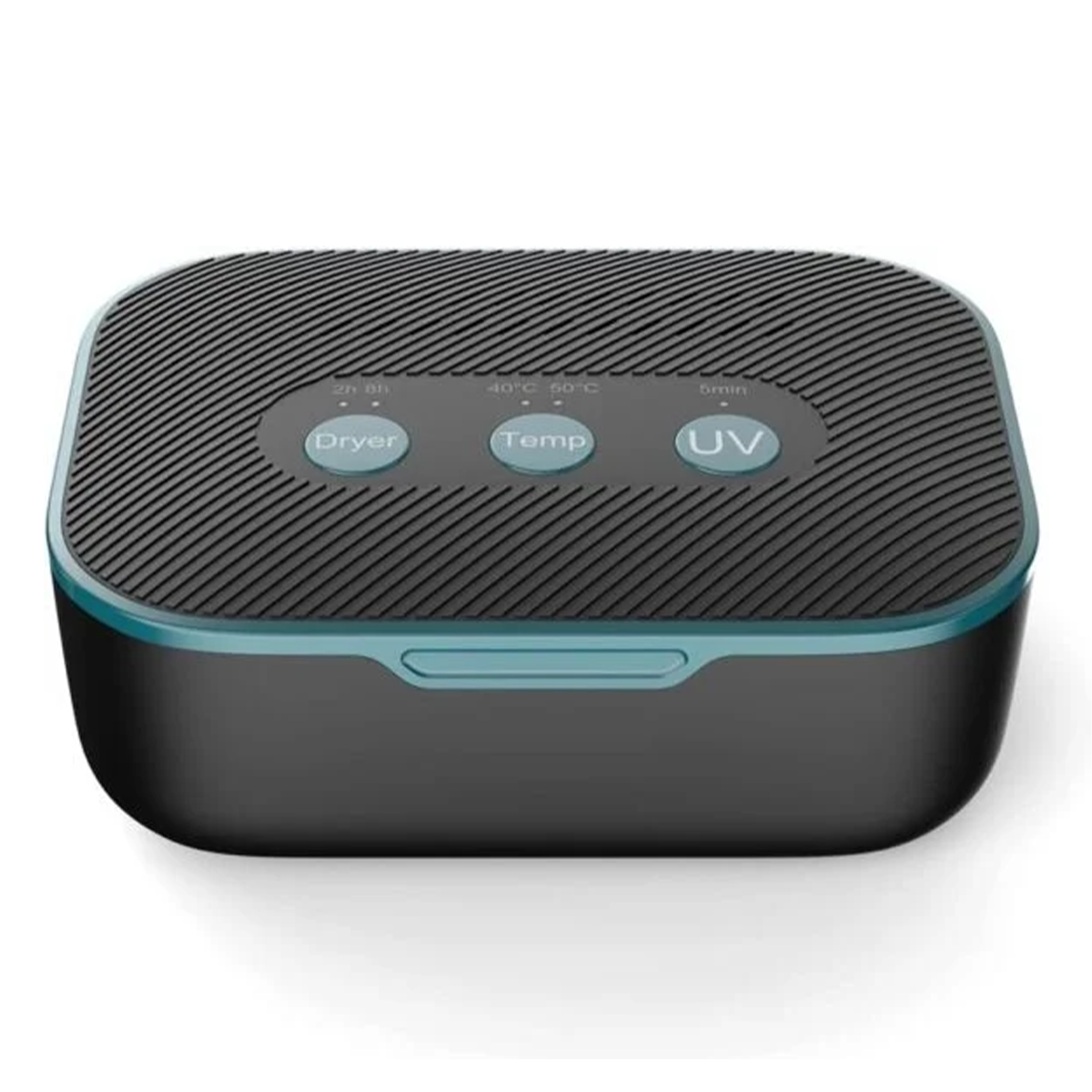



Hearing aid dryer at a glance
| Suits | Cochlear implant sound processors and hearing aids of all brands |
|---|---|
| Type | Electric drying kit for nightly use |
| Size | Standard size |
| Price | $48 |
| Dispatch | Within 24–48 hours with tracking |
| Guarantee | Wrong or defective items replaced or refunded within 14 days |
One unit covers the whole household. If two family members wear processors or hearing aids, both devices can share the same nightly drying routine, as long as they fit in the chamber together.
Will this Hearing aid dryer work with my device?
| Device | Suitable? |
|---|---|
| Cochlear Nucleus processors (N5, N6, N7, N8) | Yes |
| Advanced Bionics Naida CI, Marvel and AB Harmony processors | Yes |
| MED-EL OPUS 2, SONNET and SONNET 2 | Yes |
| Behind-the-ear and receiver-in-canal hearing aids | Yes |
| In-the-ear hearing aids | Yes |
| Coils, headpieces and ear hooks | Yes, they can dry alongside the processor |
Before you start, check your processor or hearing aid user guide for its own advice on drying and on rechargeable batteries. If you have a larger body-worn setup and want to be sure it fits, send us a photo on WhatsApp first.
Why moisture is hard on CI processors and hearing aids
A processor sits behind the ear all day, right where sweat and skin warmth collect. Add humid weather, a run, a hot kitchen or a light shower of rain, and small amounts of moisture find their way into battery contacts, microphone ports and cable connectors.
Over time that moisture can lead to corrosion. Some Naida CI Q70 users, for example, describe corrosion that caused poor connections in both the battery and the headpiece cable.
A Hearing aid dryer does not repair damage that has already happened, but it gives the device a dry night every night, which helps slow that process down. It is a cheap habit compared with replacing a battery or cable.
Signs your device needs regular drying
- Sound crackles or cuts in and out after exercise or a hot day.
- Problems come and go with the weather.
- You see green or white residue on battery contacts.
- The battery compartment feels damp when you open it.
- Buttons or switches feel sticky.
- Microphone covers look damp or discolored.
If any of these sound familiar, a nightly cycle in a hearing aid drying kit is a sensible first step. If the problem continues once the device is dry, the part itself, such as the cable or battery, may need replacing.
How to use the Hearing aid dryer
- At the end of the day, take off your processor or hearing aids.
- Wipe them with a soft dry cloth to remove sweat and skin oils.
- Take out disposable batteries and leave the battery door open. For rechargeable batteries, follow your device user guide.
- Place the device, plus coil or ear hooks if you like, inside the Hearing aid dryer.
- Close the lid and start the drying cycle as shown in the included instructions.
- Leave it overnight.
- In the morning, take the device out, refit the battery and put it on as normal.
Make it part of the bedtime routine, next to charging your batteries, so it happens every night without thinking.
A nightly routine for children and active wearers
Children wear their processors through school, play and sport, often in warm classrooms. Active adults run, cycle, garden and work out with their devices on. In both cases, more sweat reaches the processor than on a quiet day at a desk.
A Hearing aid dryer fits neatly into the evening routine. For children, make it part of bedtime: processor off, batteries on charge, processor in the dryer. For adults, put the dryer next to the charger so the two jobs happen together.
- Keep the dryer where you take your device off, not in a different room.
- Use it every night, not only after sport.
- On very hot days, give the device a wipe at lunchtime as well.
Once the routine is set, the Hearing aid dryer takes no extra effort and works quietly while you sleep.
Humid climates, summer and travel
Hot, humid places are the hardest on hearing devices. Air that feels sticky on your skin also carries moisture into microphone ports and battery doors. Coastal towns, tropical holidays and long summers all raise the load.
If you travel, pack the dryer with your charger and spare battery, and use it every night of the trip. Hotel rooms with air conditioning can feel dry, but a day outside in the heat still leaves the device damp by evening.
For people living in humid regions all year, the dryer is less of an extra and more of a basic tool, in the same way a charger is.
What to put in, and what to keep out
Put in the parts that sit on your head all day: the processor or hearing aid, the coil or headpiece, the ear hook, and short cables. Wipe them first so there are no drops of water or sweat on the surface.
- Keep out: phones, remote controls, wet towels and anything that is dripping.
- Keep out: disposable batteries, which should be stored separately.
- Check first: rechargeable batteries and devices with sealed batteries; follow your user guide.
Hearing aid users with custom earmolds should clean wax from the mold first, as the dryer is meant for moisture rather than wax or dirt.
Troubleshooting
| What you notice | Likely cause | What to do |
|---|---|---|
| Dryer does not switch on | Power not connected | Check the plug, cable and power outlet |
| Device still crackles after drying | Wear in the cable, battery or contacts | Clean the contacts and try a spare cable or battery |
| Lid will not close | Device too large or cable bent across the rim | Reposition the device, or dry the coil separately |
| Corrosion on contacts | Long-term moisture | Clean gently, dry nightly, replace the part if it does not improve |
| Device dropped in water | Beyond normal moisture | Follow your manufacturer advice and contact your clinic |
How to make your Hearing aid dryer last longer
- Keep the dryer on a flat, dry surface away from sinks and bathrooms.
- Wipe the inside of the chamber now and then with a dry cloth.
- Do not put wet or dripping items inside; wipe them first.
- Unplug the dryer when you travel and pack it in your hand luggage if you take it with you.
- Keep the lid closed when not in use, so dust stays out.
Look after the device side as well: change microphone covers on schedule and keep battery contacts clean, so the drying routine has the best chance of helping.
Is the Hearing aid dryer safe for my CI processor?
The dryer is a general-use accessory for hearing devices, not a part made by any implant brand. It is designed for everyday moisture from sweat and humidity, and it suits CI processors and hearing aids alike.
We make no medical claims for it. It does not treat any ear or skin condition; it simply helps keep the device itself dry. If your processor manufacturer gives specific drying instructions, follow those first.
It is not a repair tool. If your processor has been dropped in water or stops working, follow your manufacturer guidance and speak to your clinic. If the dryer arrives defective, or we send the wrong item, we replace it or refund you.
Dryer, drying jar or nothing at all?
Some people start with a simple drying jar with desiccant, or with nothing at all. Each option has its place:
| Option | Good for | Watch out for |
|---|---|---|
| Nothing | No cost, no routine | Moisture stays in the device overnight |
| Drying jar with desiccant | Cheap, no power needed | Desiccant needs replacing or recharging |
| Electric dryer | Simple nightly routine, reusable | Needs a power outlet |
If you sweat a lot, live in a humid climate, play sport or have a child who wears a processor all day, an electric hearing aid dehumidifier is the easiest way to keep up the habit. A cochlear implant dryer that runs every night is better than one used only after problems appear.
Shipping, payment and returns for the Hearing aid dryer
Every Hearing aid dryer order is packed and dispatched within 24–48 hours with tracking. Delivery usually takes 12–22 business days worldwide, and duties are handled for you on most routes, so there is nothing extra to pay at the door. Shipping is free on orders over $250, which is easy to reach if you add a spare cable or charger.
Payment runs through a secure payment gateway with all major cards. If we send the wrong item, or the part arrives defective or damaged, message us within 14 days with a short video. We replace it or refund you, and we cover the return shipping. Change-of-mind returns are not accepted on hygiene-sensitive hearing parts. Full details are in our return policy.
Other hearing aid or CI processor parts you may need
Keep your hearing aid or CI processor working with these matching spares:
- Nucleus 7 rechargeable battery – a spare for your CP1000
- Nucleus 8 rechargeable battery – a spare for your CP1110
- Nucleus 6 coil cable – replaces a worn CP910 or CP920 cable
- MED-EL OPUS 2 coil cable – 7.5, 12 or 28 cm
- Nucleus 7 Slimline coil with cable – for when the coil cable fails
Hearing aid dryer FAQ
Can I use the hearing aid dryer with my cochlear implant processor?
Yes. The Hearing aid dryer suits CI processors from Cochlear, Advanced Bionics and MED-EL, as well as hearing aids.
Should I take the battery out?
Take disposable batteries out and leave the door open. For rechargeable batteries, follow the advice in your processor or hearing aid user guide.
How often should I use it?
Every night is best. A daily habit works better than drying only after a problem shows up.
Will it fix a processor that got wet?
No. The dryer is for everyday moisture. If your device was dropped in water or stopped working, contact your clinic.
Can I dry two hearing aids at once?
Yes, as long as both fit comfortably in the chamber without being pressed together.
Is this a hearing aid dehumidifier?
Yes. A hearing aid dehumidifier, drying kit and dryer all describe the same idea: removing moisture from the device overnight.
Can I put the coil and cable in too?
Yes. Coils, ear hooks and short cables can dry next to the processor. Do not bend the cable sharply to make it fit.
How much does it cost?
The Hearing aid dryer is $48, and shipping is free on orders over $250 if you add other spares.
Does it need batteries?
No. It is an electric dryer, so it needs a power source. Message us if you want to check the plug or cable type for your country before ordering.
Can I use the dryer while traveling?
Yes. The Hearing aid dryer packs easily into a suitcase or hand luggage, so your routine does not stop on holiday.
Questions about your hearing aid or CI processor? Message us on WhatsApp (+1 520 473 4179) with a photo of your processor and we confirm the right part before you pay.




Reviews
There are no reviews yet.